

ABOUT
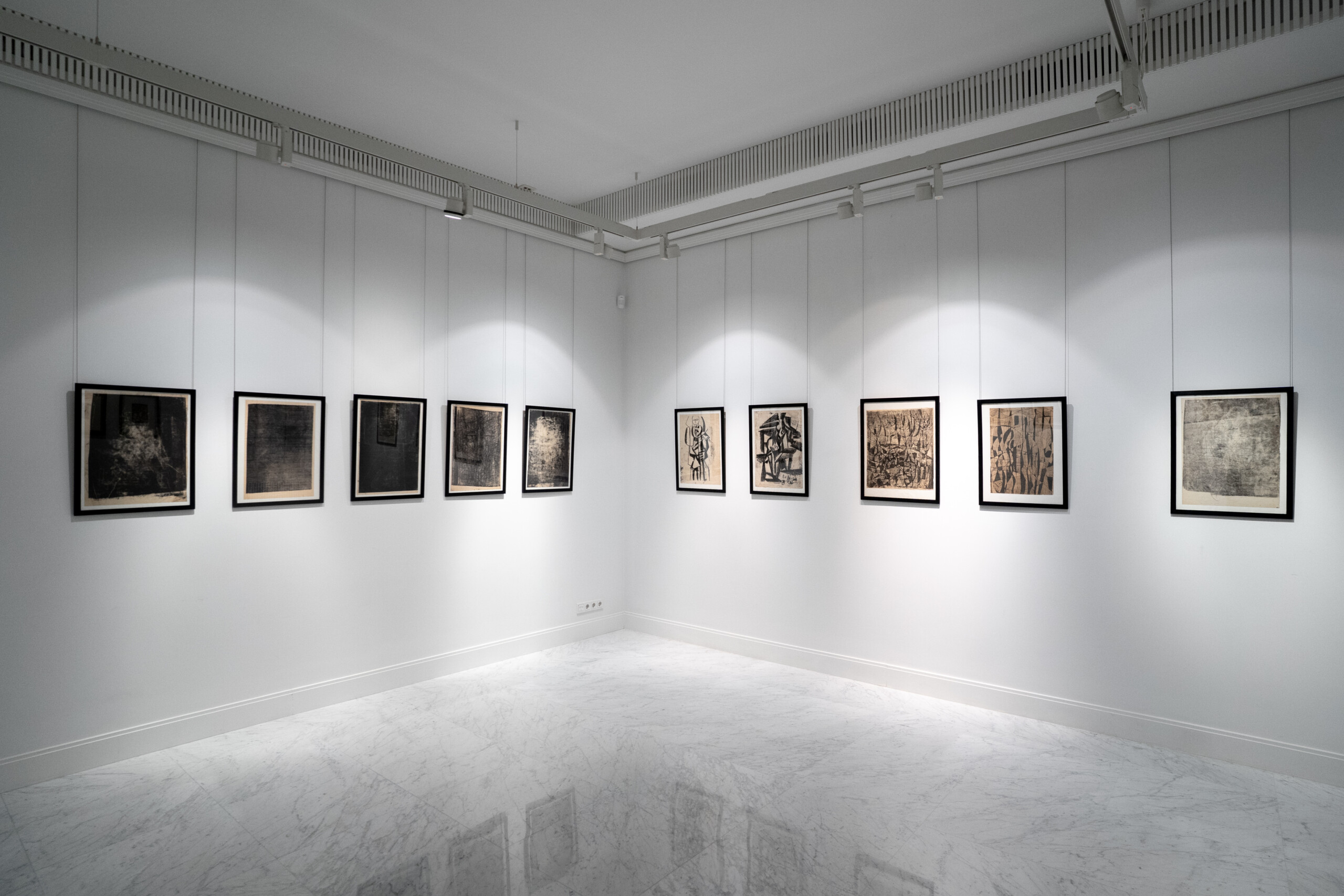
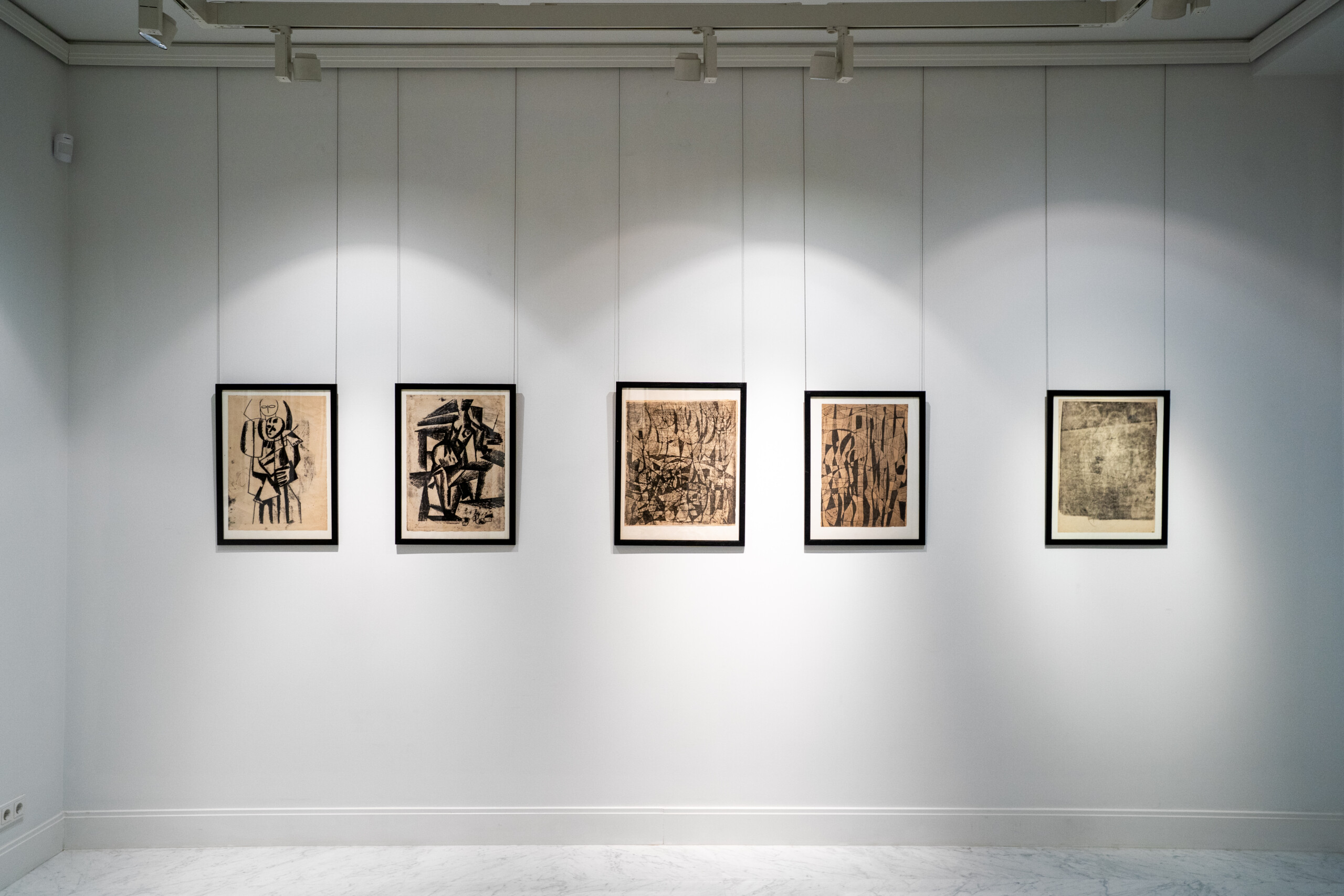
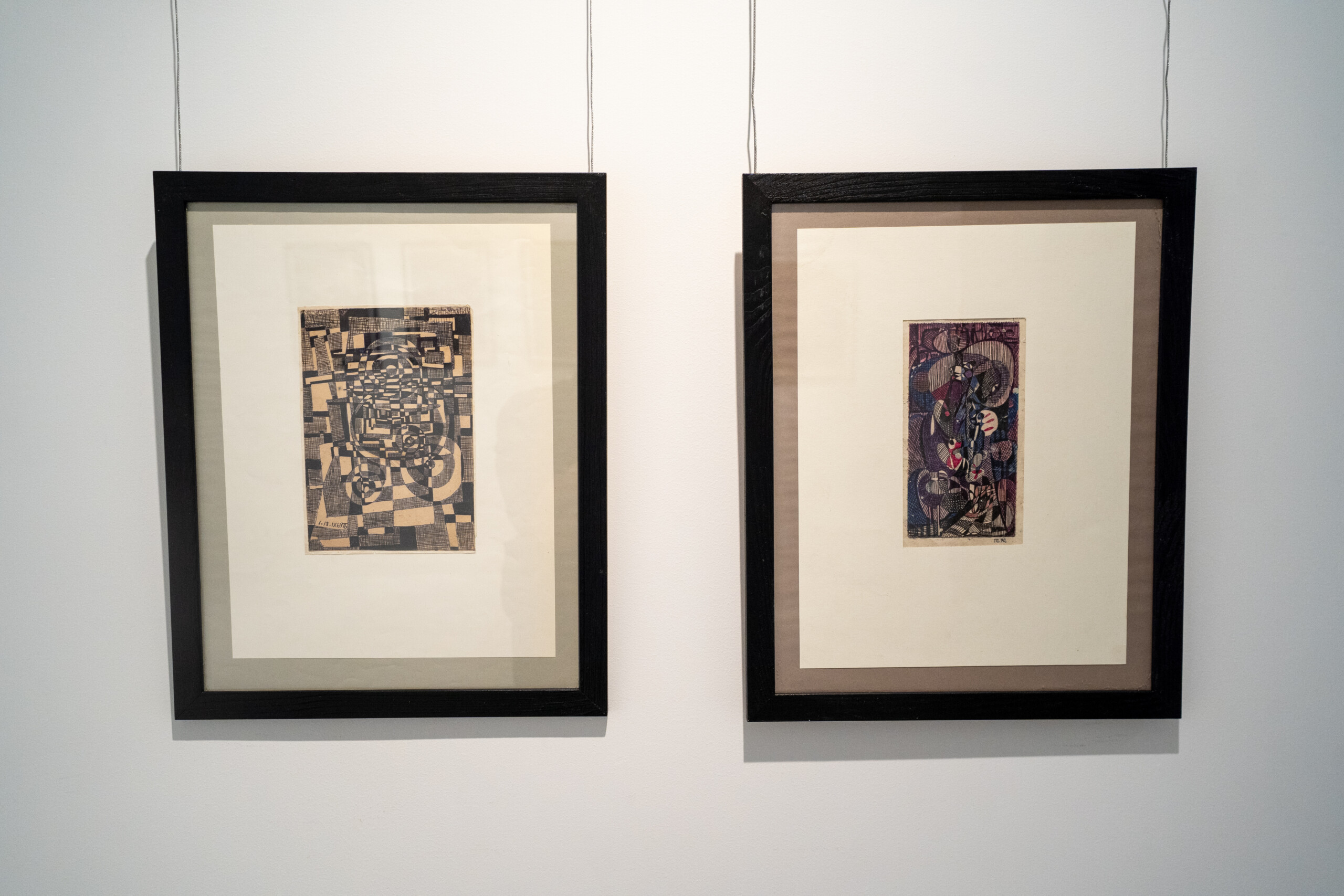
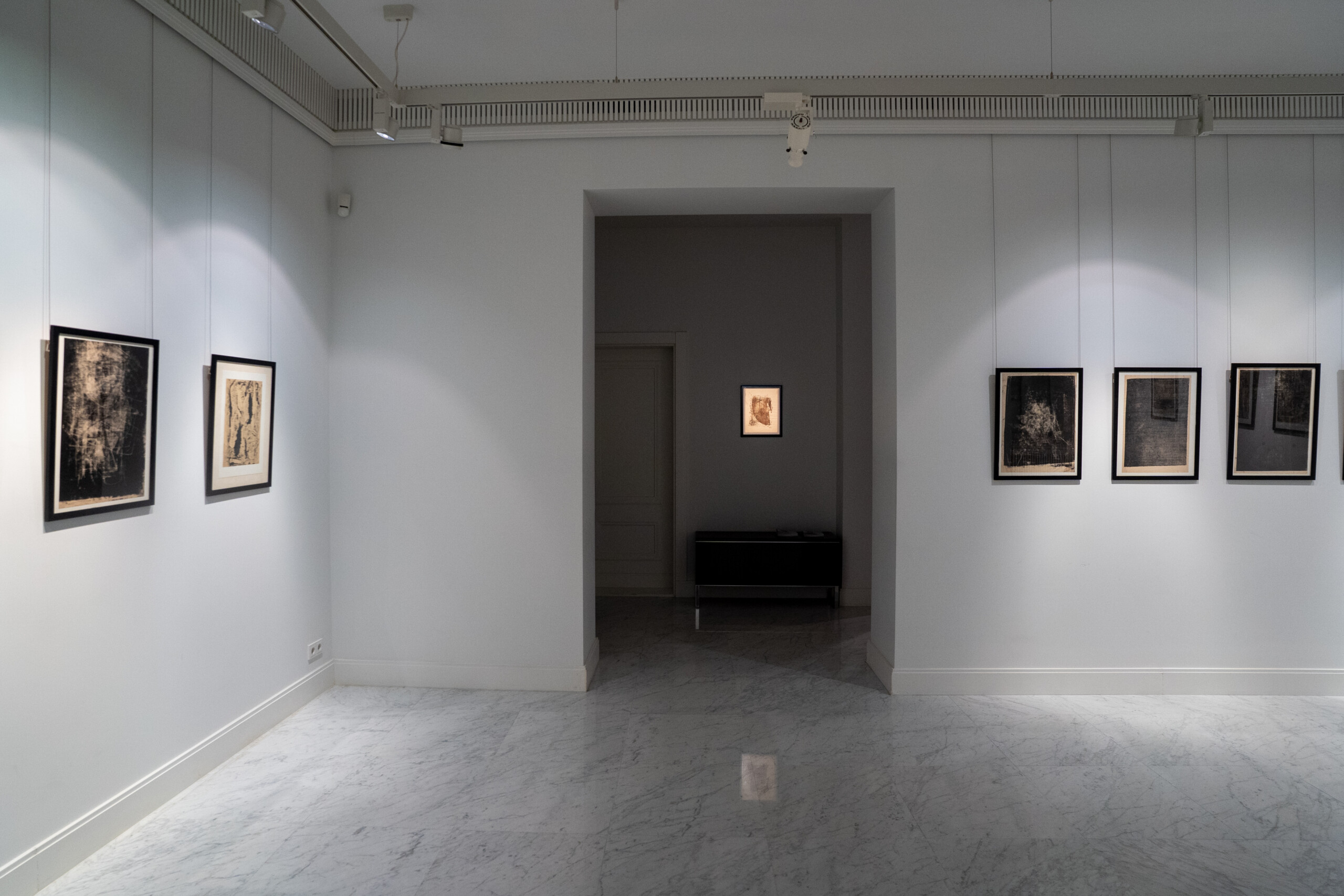
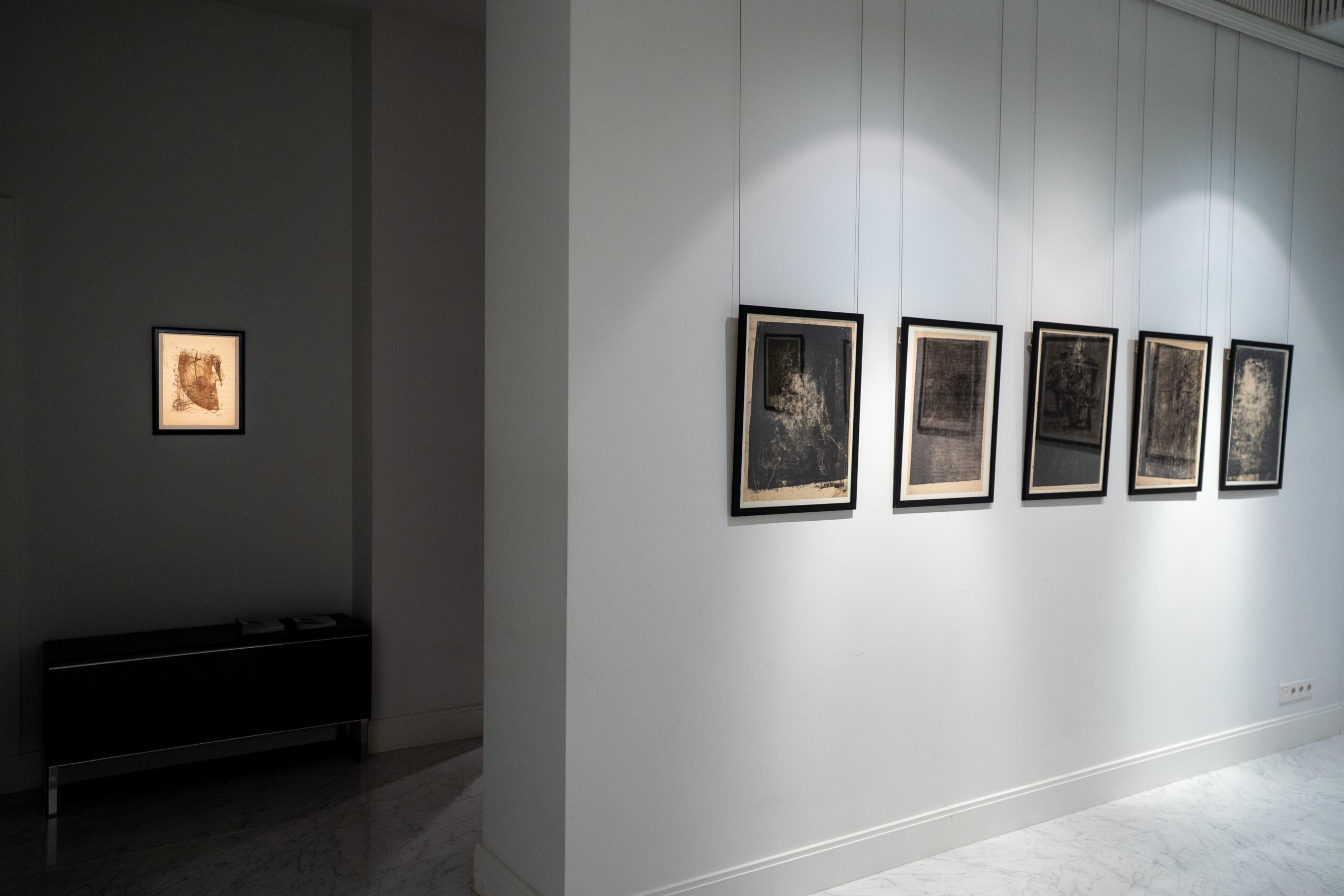
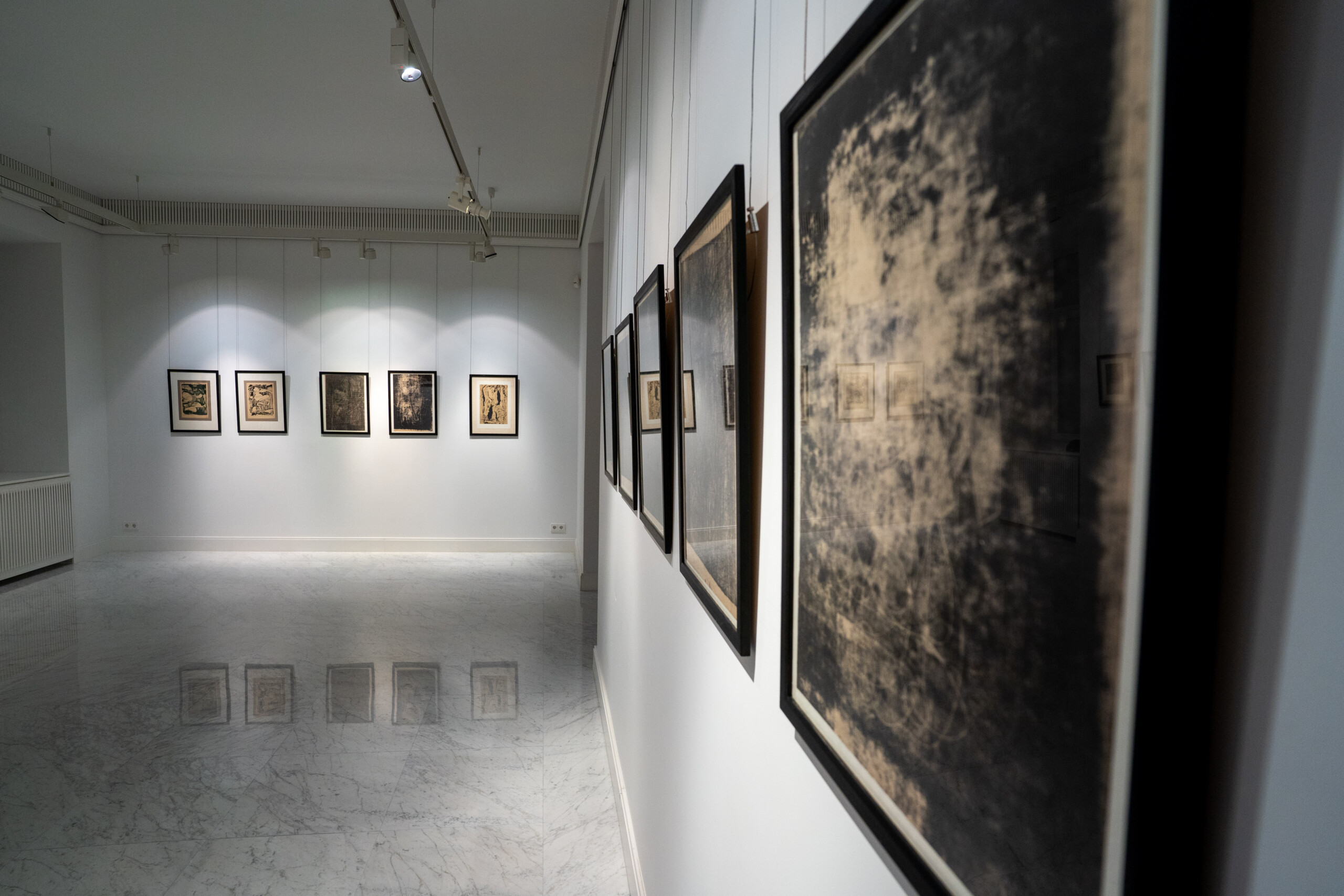
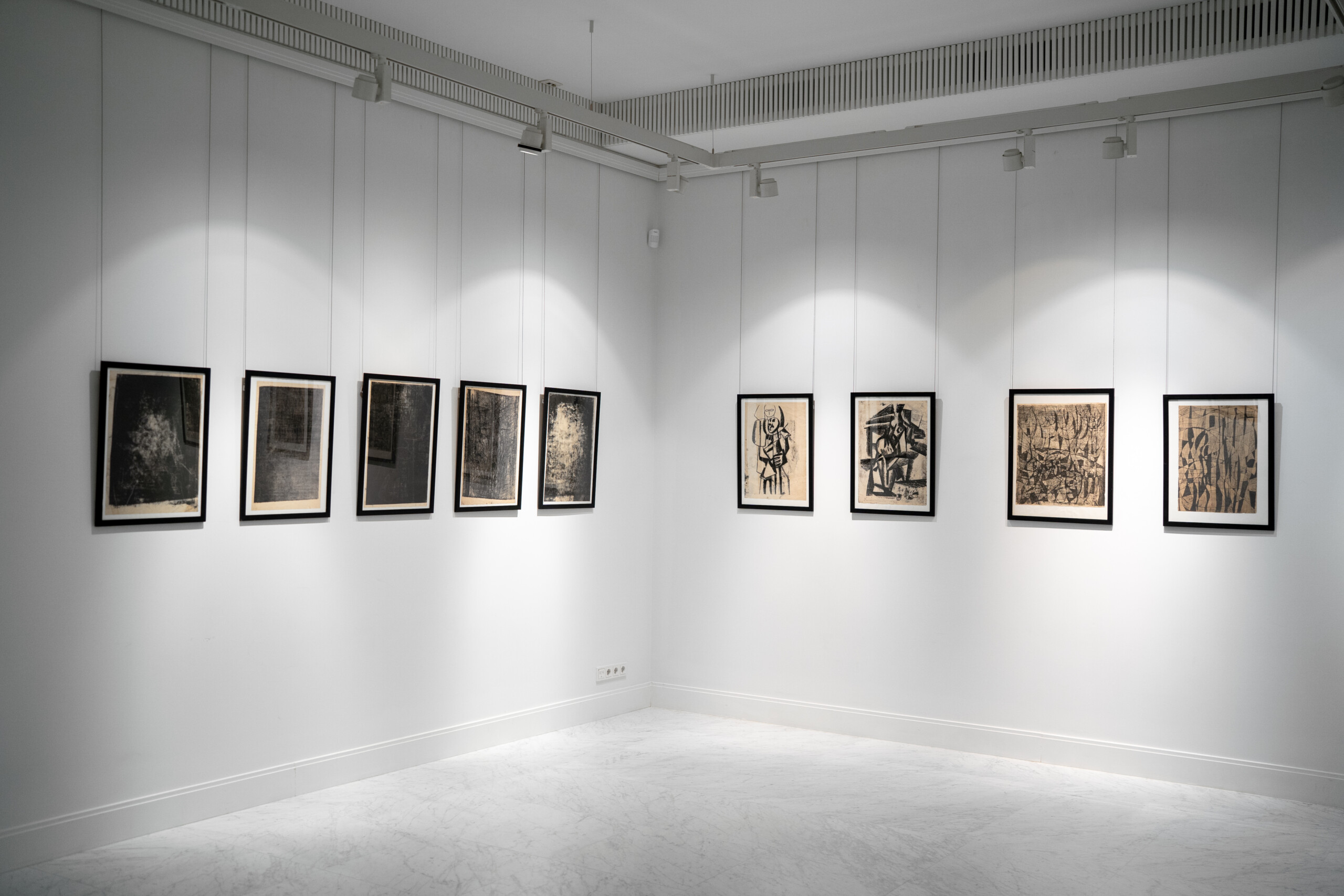
The series of works selected by Pavlo Kovach (Senior) for the exhibition at the White Space of the Stedley Art Foundation presents the author as already fully formed in his views and pursuits. Created in the 1960s and 1970s, these works were executed in a technique that became a field of constant experimentation for Bedzir. It is also important to consider the context of their creation: in Uzhhorod at that time, there was an abundance of art literature—and not just Soviet. Foreign publications in various languages predominated, alongside newspapers, magazines, and artists’ monographs. There were many private libraries to which Pavlo had access, so his work was shaped within a broader global context.
It was from these numerous sources that Bedzir learned about and experimented with the frottage technique (from the French frotter—”to rub”), which he had read about in articles concerning its pioneer, Max Ernst. The artist places a sheet of paper on an uneven surface and rubs it with a pencil or pastel, capturing the texture’s impression. In 1925, Ernst was inspired to try this experiment by an old wooden floor whose texture had been accentuated by years of wear; the wood patterns evoked images in his mind that he decided to capture in this precise way.
For Bedzir, this discovery served as a catalyst for extensive experiments, particularly involving typewriter carbon paper. He also developed his own variation of the technique: he coated newspaper sheets on both sides with printing ink made according to his own recipe. In his further pursuits, he made impressions using calico, waffle towels, mesh, and other materials. Monotyping was also adapted to an etching press, and these “prints” formed a separate series that can be viewed as a kind of homage to Yves Klein’s Anthropometries. Klein began creating them in the 1960s, using the term Anthropometries for paintings produced using the prints of women’s bodies.
At the same time, while Bedzir drew upon these practices, he infused them with different meanings: his “print” takes on a sacred significance, referencing the tradition of the icon, the theme of the shroud, and the Veil of Veronica—a relic that, according to tradition, preserves the true image of Christ’s face made without hands.
SELECTED GALLERY